AI and youth mental health: understanding the potential and the risks
AI Chatbots and Youth Mental Health
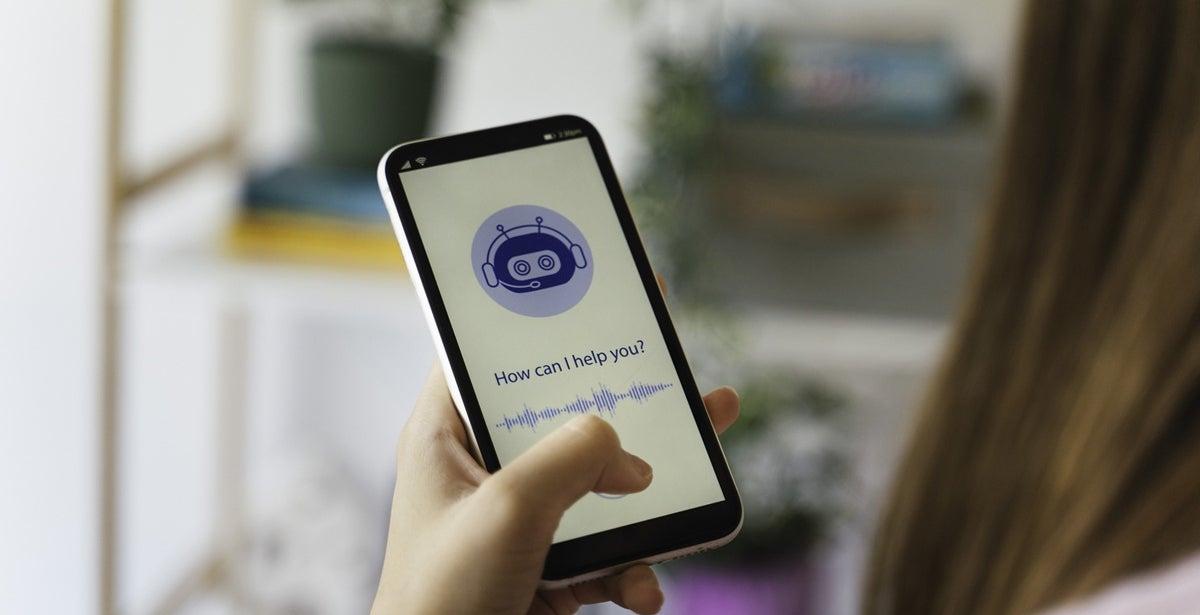
When I speak with my clinical colleagues about young people’s use of AI for their mental health, it can feel hard to know how to strike the right balance. Young people tell us they are embracing AI as a helpful tool, a way to explore their thoughts, or get quick support. In fact, 1 in 5 young people are already using chatbots for mental and emotional support. But we also know they are largely reaching for general purpose models like ChatGPT, Gemini, and MetaAI which raises concerns about the safety and appropriateness of these models for this task
So what benefits do young people see in using AI for their mental health? And how can we ensure that its possibilities can be realised safely?
Why young people use AI chatbots for mental health support
Researchers at the University of Sydney recently looked at young people’s naturalistic data to understand their use of the companion AI app Character.AI. This platform allows users to build avatars and role play using AI chat capabilities. The researchers found that younger teen users (13-17yos) were engaging with the platform playfully for emotion regulation, creative experimentation, and identity development through character role play.
This aligns with research suggesting that young people use general purpose chatbots like ChatGPT to seek advice, vent, or practice social engagement in a way that feels less vulnerable to them. Young people also report that they value AI’s accessibility and perceive it as non-judgmental, allowing them to raise concerns they might hesitate to discuss with human connections.
Why might we need to exercise caution?
While the appeal of these models to youth is clear, there are good reasons to be cautious about the role of AI in mental health. Evidence for the effectiveness of chatbots in youth mental health- even when specifically designed for this purpose - is still limited. Meanwhile, general-purpose or companion chatbots were not developed or validated as mental health interventions. They sit within a regulatory gap, and some of their features may cause harms that we’re only just beginning to understand.
For example, there is concern around the adequacy of these models to respond to risk. Recent evaluations suggest while they might respond reasonably when risk is very clear, they are inconsistent when responding to ambiguous signs of risk or distress and their safety can weaken over longer exchanges.
Privacy is also a concern. Though the conversational and companionate nature of these models may lead young people to feel they can share sensitive information without fear of judgment, these models may not be transparent about data retention, storage, and use.
Finally, the very things that young people appreciate – being always available, non-judgmental, and supportive – may result in subtle cumulative harms for vulnerable users. For example, by uncritically reinforcing unhelpful beliefs and even delusional thinking.
How might we balance risks and potential benefits?
Reassuringly, young people, families, and clinicians agree that AI is most effective as a supplement to human care, rather than a standalone resource. Young people in particular point to the potential benefit of AI use between sessions helping to inform their next session with human clinicians without the burden of retelling distressing experiences. This kind of AI integration could also offer greater personalisation, such as tailored session overviews and between session materials. Orygen is pursuing exactly this kind of AI clinical integration through its AI4You(th) program.
With young people already using these models, clinicians and mental health researchers have an important role in shaping what safe and appropriate use looks like. While more clinically informed models are still being developed, we can start by helping young people and families make informed choices about the risks and benefits of AI, particularly the limitations of general-purpose models. That means being curious with young people about their AI use and drawing on resources like Orygen’s evidence review, fact sheets, and environmental scan of apps to guide these discussions.
Author bio:

L.A. Rhodes is a Senior Clinical Psychologist and PhD Candidate at Orygen, whose clinical work has focused on relational complexity in young people. Their research now extends this lens to emerging technology, examining the relational implications of AI for youth.