Social media for good: Inside a platform built for youth mental health
Victoria University Article by Mariah S
Australia’s social media age-based restrictions mean most major platforms are legally obliged to take measures to ensure users are aged 16 and over.
But that doesn’t mean all social connection platforms are inherently unhealthy for young people. In fact, some platforms have been specifically built to improve wellbeing.
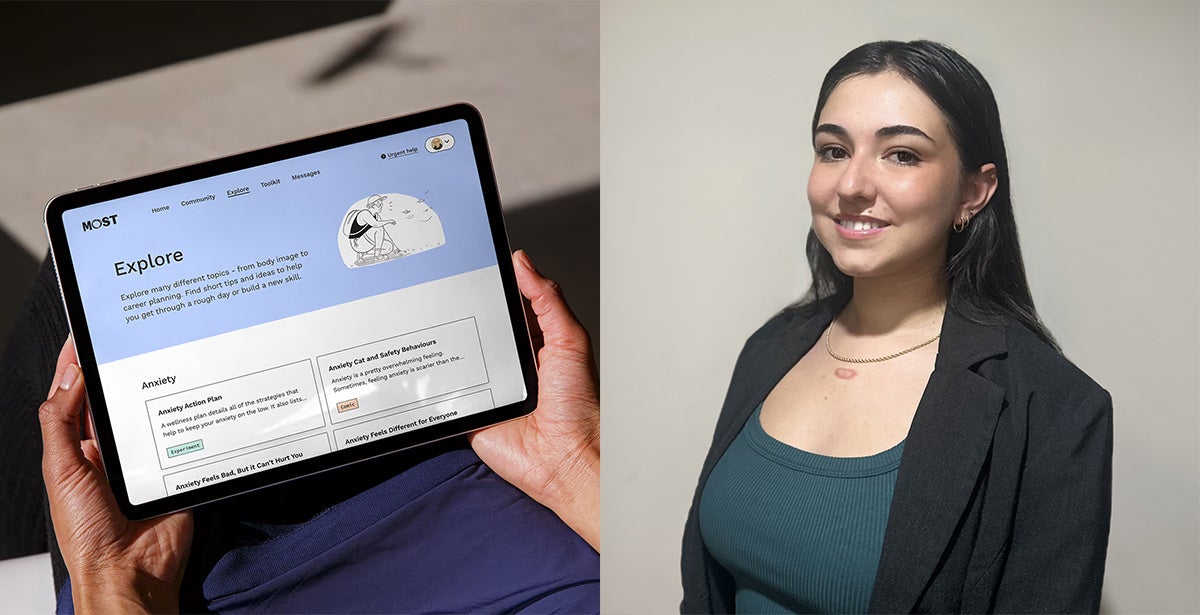
One such platform is MOST, a mental health app from Orygen, Australia’s Centre of Excellence in Youth Mental Health. As well as real-life therapy and self-guided journeys, MOST includes a moderated social community.
Mariah Schoen, an Online Youth Peer Worker on MOST, explains how it works and why it helps.
Finding Connection Online
With Australia’s “social media ban” (also known as age-based restriction) now in full effect, young people are looking for safe alternative spaces online to find connection, reach out to their peers, and feel a sense of belonging. MOST offers one of these spaces, and as one of the Peer Workers on the platform, I get the privilege to see firsthand its positive impacts and the community we have fostered. But what makes MOST different from other social media platforms and why is it so important?
MOST really blossomed into the expansive platform it is today during COVID. I am sure we all remember those feelings of isolation and the need for connection then. MOST directly targets this still very current issue, with young people able to connect with a community and access personalised, proven and effective support when they want it, wherever they are, on any device. Social connection and technology are an integral part in young people’s lives, so MOST meets young people where they are at.
What is MOST?
MOST is a digital mental health service for young people aged 12 to 25 years. Created by a team of leading youth mental health experts and young people with lived experience of mental ill-health, MOST is designed to help those who need that little extra support. It offers access to self-directed therapy, a safe moderated online community (which I’ll get into below!), peer workers, careers counselling, and one-on-one clinical support. MOST helps young people navigate their mental health challenges safely, without judgement, and on their own terms.
Who is MOST suited for (ages 12-15)?
While there are many sides to MOST, for the majority of young people, our community space is the main attraction, with individuals engaging from all around Australia. The platform is divided into an under 15s and an over 15s section. It is age appropriate in design, which leads to age-appropriate conversations and interactions. Unlike many social media platforms that are only moderated by bots, every post on MOST is seen by experienced human eyes. Each post is initially scanned and then flagged if they contain any trigger words so they can be reviewed by our clinicians. All posts are then also reviewed by our peer workers to ensure the community remains a safe and inviting place.
What support does MOST offer?
MOST isn’t just a traditional standard social media platform, it was created and designed with young people’s mental health in mind. For me, I see MOST as a stepping-stone helping to bridge a big gap in our mental health support system. The platform is perfect for young people who want to reach out for help but may not yet know how to, and it teaches this in a safe environment where they are seen, heard, and acknowledged. It also supports those who need it alongside face-to-face care, and helps young people through their journey to recovery.
What’s it like to use MOST?
In contrast to other social media platforms, on MOST young people stay anonymous amongst their peers. Although this may seem controversial at first, it ensures everyone’s privacy is protected and means young people can openly express themselves without worry about others’ direct judgement, or pressure to conform. The staff support young people to have moderated and safe chats, so they can be vulnerable without compromising their safety. So, unlike traditional social media platforms that can breed a culture of hate and bullying, MOST ensures that no one gets torn down. This is a really big step for young people to feel accepted for being themselves.
Anonymity and privacy
Young people often share casual things like a simple hello, a picture of the sunset, a new show they’re watching, or an art piece they’ve created. Many also share posts looking for specific advice, venting about a current problem, giving an update on their wellbeing, or sharing a new self care hack they have tried.
How peer workers respond and support
Every post is responded to by one of our peers workers so everyone feels seen. Other young people can also comment on posts which often results in many cute pet pics and wholesome, empathetic, relatable conversations amongst peers.
The positive impact I’ve seen first-hand
As a peer worker on the platform, I can attest to the incredible innovative design behind MOST, which leads to real world results. Every day I see young people engage more and more in the community, and grow their confidence with opening up to others and learning to reach out to people. One of my favorite things is seeing how supportive they are of one another, to ensure no one feels alone. We get trails of feedback from our users raving about how much MOST has helped them. MOST really does help make a positive impact on young people’s wellbeing and I am proud to be a part of the incredible team behind it. MOST isn’t just a social media platform, it is a relevant and effective model for positive change.
FAQs
Is MOST anonymous?
When you sign up to MOST, you pick a pseudonym so you're anonymous when interacting with peers on the platform.
You'll be asked for some personal and health information when you sign up, which helps clinicians and peer workers tailor their support for you. You also provide an emergency contact in case the MOST team are ever concerned about your safety. MOST keeps all this information confidential, according to their privacy and confidentiality agreements.
How is MOST moderated?
The community is moderated in two ways:
- MOST clinicians and peer workers moderate the community 9am – 8pm Monday to Friday with additional checks on the weekend.
- We block potentially risky and/or offensive content until it can be reviewed by a peer worker or MOST clinician.
Who can use MOST?
If you’re in Australia and aged 15-25, anyone can sign themselves up to MOST.
If you’re aged 12-14, you’ll need a referral from a participating youth mental health service to sign up to MOST, learn more on the How to access page.
Those aged 12-14 will need parental consent before signing up.
How much does MOST cost to use?
MOST is 100% free.